Dry needling has quietly become one of the most requested treatments at our Branson office — and one of the most misunderstood. Patients come in having heard it described as everything from “acupuncture with a rebrand” to something that sounds mildly terrifying. Neither is accurate, and the confusion keeps a lot of people from trying a treatment that could get them out of pain.
So let’s clear it up. Here’s what the treatment actually involves, what the research supports, what a visit looks like, and which of the rumors you can safely ignore.
What dry needling actually is
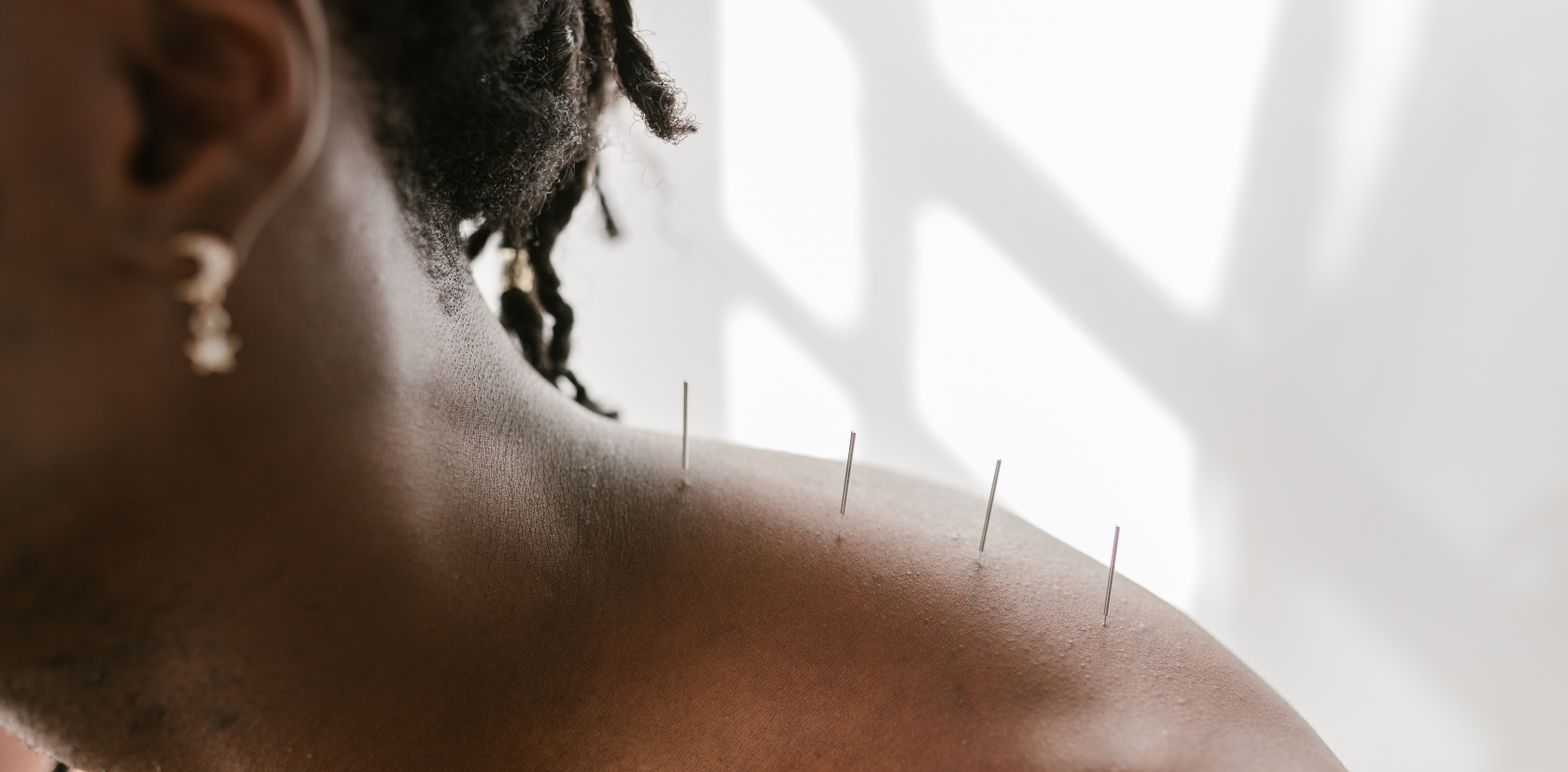
Dry needling uses very thin, sterile, single-use filaments — roughly the diameter of a human hair — placed directly into a taut, irritable band of muscle known as a trigger point. The word “dry” is doing real work in that name: nothing is injected. There’s no medication, no steroid, no anesthetic. The filament itself is the entire treatment.
That’s the mechanical difference from a trigger point injection. The difference from acupuncture is bigger. Acupuncture is a complete system of medicine with its own diagnostic framework and meridian mapping, developed over centuries. Dry needling came out of Western musculoskeletal research and orthopedic examination — a clinician palpates for a specific dysfunctional muscle, then treats that muscle. Same tool, entirely different reasoning. Our clinic offers both, and they answer different questions.
What it means for you: If someone tells you it’s “just acupuncture,” they’re describing the needle, not the treatment.
How dry needling works on a trigger point
A trigger point is a small patch of muscle fibers stuck in a shortened, contracted state. It doesn’t relax on its own, it hurts when pressed, and it often refers pain somewhere else entirely — which is why a knot near your shoulder blade can produce a headache behind your eye. These develop from repetitive strain, sustained postures, old injuries that never fully rehabbed, muscular imbalance, and plain stress.
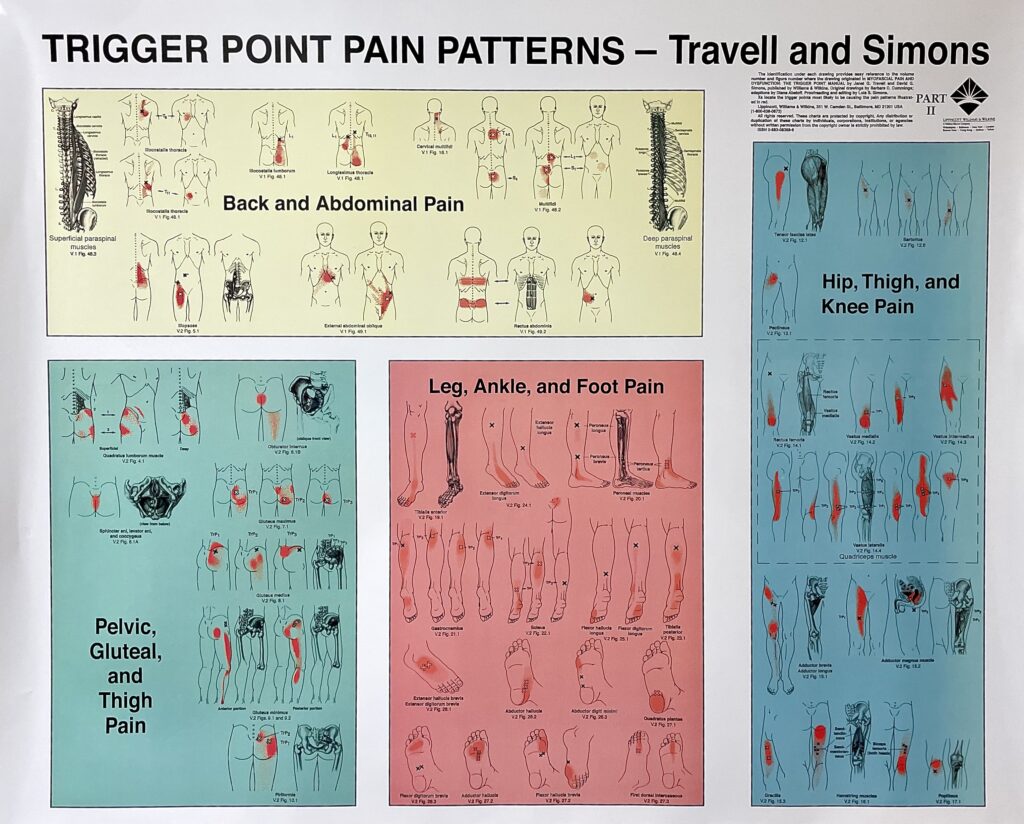
When the filament reaches that contracted band, the muscle frequently produces a local twitch response — a brief, involuntary flicker you can feel but can’t control. That twitch is the point of the whole exercise. It appears to interrupt the stuck contraction, flush the local chemical environment, restore blood flow to tissue that was essentially strangling itself, and change how the nervous system is reading the area.
What it means for you: The twitch is a sign the right spot was found. It’s brief, and it’s the mechanism — not a side effect.
What the research says about dry needling
Honest answer: the evidence is genuinely encouraging in the short term and thinner in the long term, and it’s worth knowing both halves of that.
A systematic review and meta-analysis in the Journal of Orthopaedic & Sports Physical Therapy found grade A evidence that needling reduced upper-body myofascial pain compared to sham, both immediately after treatment and at the four-week mark. A later review of thirteen studies reached a similar conclusion for short-term pain and pressure-pain threshold — while noting the evidence quality was low to moderate, that benefits over other treatments weren’t clearly maintained past twelve weeks, and that ideal dosing is still an open question.
That last part is exactly why this is never the only thing we do. Releasing a trigger point without addressing the movement pattern that built it means you’ll be back in six weeks with the same knot. Dry needling opens a window; corrective exercise, adjustments, and soft tissue work are what keep it open.
What it means for you: Expect real short-term relief — and expect us to pair it with rehab so the relief holds.
What a session looks like
We start with an exam, not a needle. Dr. Vahldick assesses how you move, where the restriction actually lives, and whether dry needling is even the right call — sometimes it isn’t, and Graston Technique, Active Release, or an adjustment is the better fit.
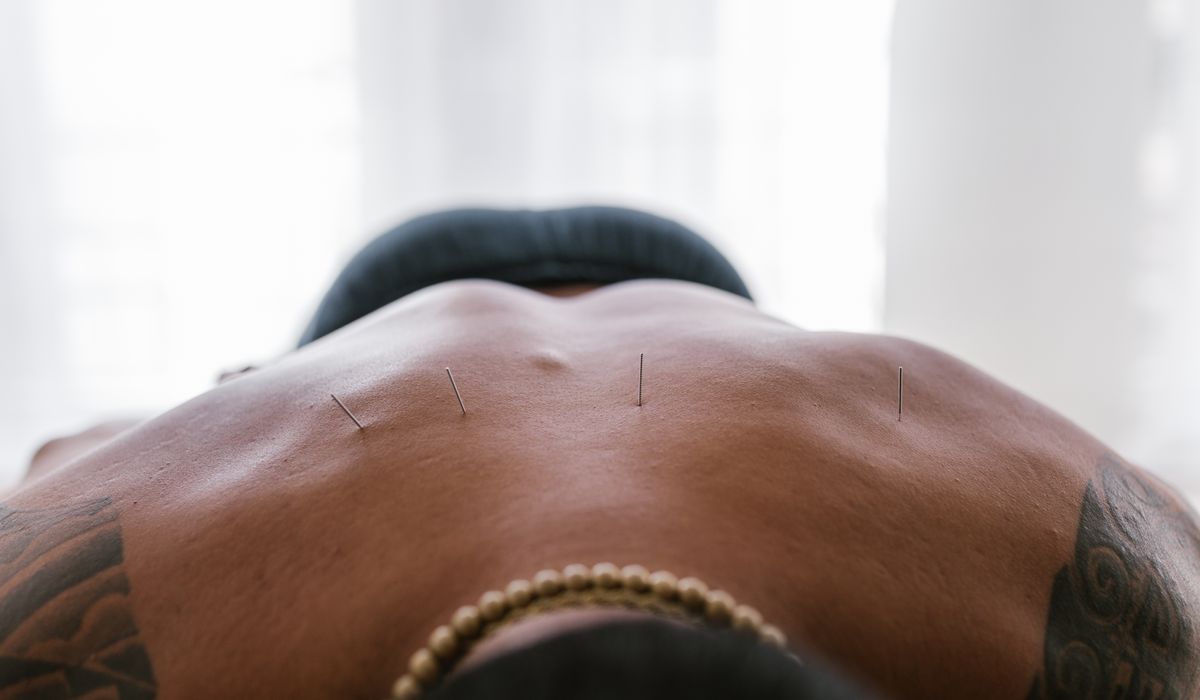
If it is the right call, filaments go into the identified trigger points. Most people report a dull pressure or cramping sensation rather than sharp pain, and the twitch feels like a quick muscle jump. The filaments stay in briefly. Afterward, expect the kind of soreness you’d have from a hard workout, usually gone within a day or two — water, gentle movement, and light stretching shorten it. Then we give you something to do at home, because that’s what makes it stick.
What it means for you: Plan for mild next-day soreness, not downtime.
Four myths worth retiring
“It’s the same as acupuncture.” Same instrument, different medicine. One treats a diagnosed muscular dysfunction; the other works from traditional Chinese diagnostic principles.
“It’s excruciating.” These filaments are dramatically thinner than the hollow needles used for shots — there’s no cutting edge and nothing being pushed into the tissue. Most patients are surprised at how little they feel.
“It’s an athlete thing.” Our dry needling patients skew heavily toward desk workers with locked-up necks, nurses and servers on their feet all day, and parents hauling toddlers around. Athletes are a minority.
“One visit and you’re fixed.” Occasionally, yes. Usually not. Chronic patterns took months to build and generally need a short series plus corrective work to undo.
Is dry needling right for you?
It tends to help most with neck and upper back tension, tension-type headaches, shoulder and rotator cuff irritation, low back tightness, hip and glute pain, tennis and golfer’s elbow, plantar fasciitis, calf and hamstring strains, and the stubborn stiffness left behind by an old injury.
It isn’t for everyone. Certain bleeding disorders, blood thinners, pregnancy, and a genuine needle phobia are all worth raising first — bring them up and we’ll point you toward one of the other treatment options we offer instead.
Come see us in Branson
At Advanced Spine & Joint Center, dry needling is one tool inside a larger plan — alongside chiropractic adjustments, Dynamic Neuromuscular Stabilization, Graston Technique, and Active Release. We see auto accident injuries, VA referrals, Medicare, and self-pay patients.
If you’ve been managing a knot that won’t quit, schedule a visit with Dr. Zach Vahldick and let’s find out what’s actually driving it.